Just like old times.

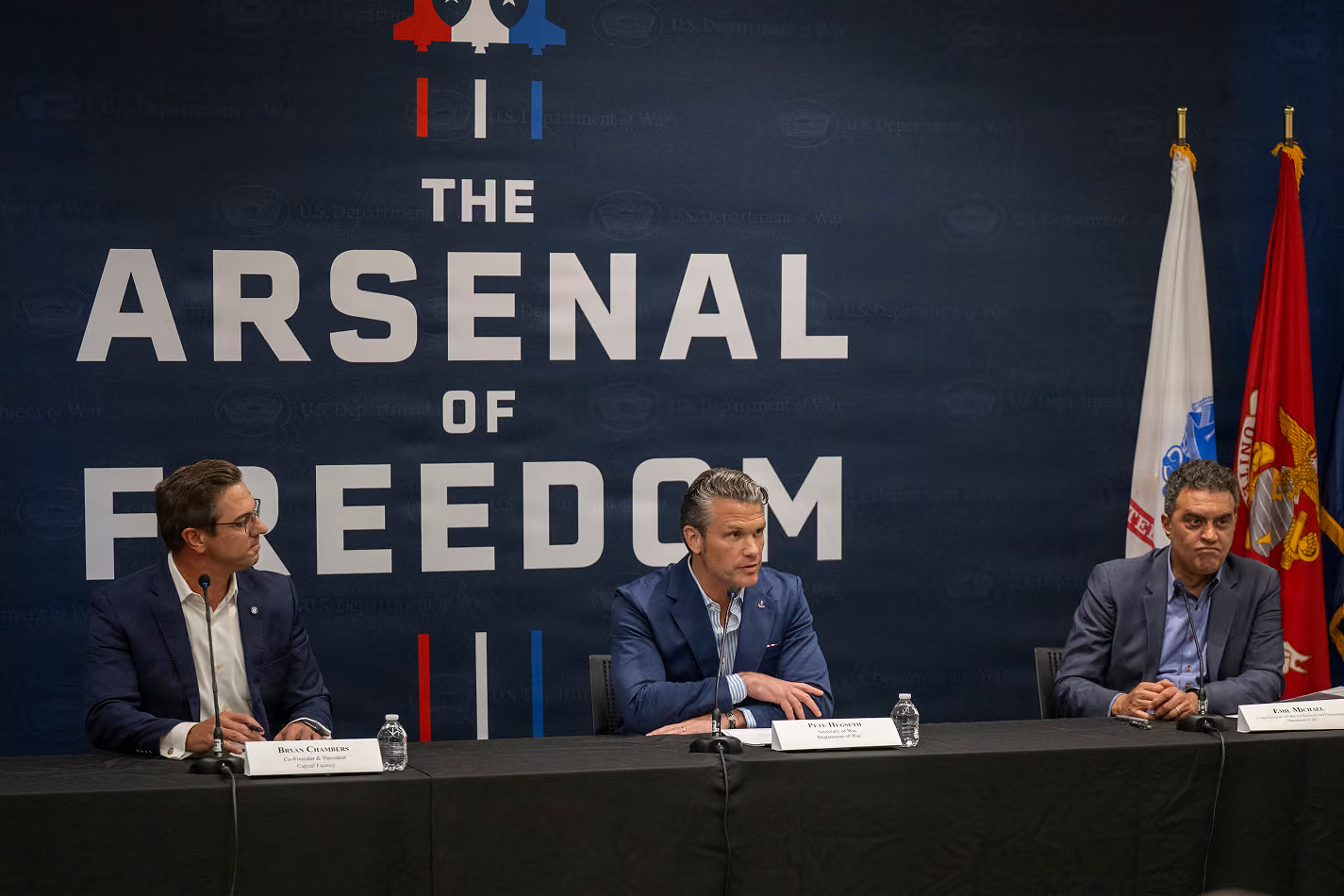

Sec. Pete Hegseth put weapons manufacturers on notice Thursday as the Trump administration pushes to cut Pentagon red tape, expand competition and accelerate American weapons production.
Dig Deeper
Stops in Ohio and Wisconsin this week are in addition to more than a dozen similar events under the "Arsenal of Freedom" tour that began in January. Earlier this week, Hegseth also made an unannounced trip to Israel ahead of the nation's upcoming elections where he met with Israeli Prime Minister Benjamin Netanyahu, according to USA Today.
Top Headlines
President Trump wants to hold a trilateral summit with Chinese President Xi Jinping and Russian President Vladimir Putin in China next month.
A senior U.S. defense official said the administration is weighing possible force posture changes against costs as it decides which installations to rebuild.
The Korean Central News Agency said the weapon tested last week was a "super-speed, precisely guided" torpedo system named Zam-2.0. It didn't explain what was meant by artificial intelligence.
The department announced the results of its recent "research security audits" of 30 academic institutions across the country and suggested that probes of other universities could be on the horizon.
The Trump administration announced in September that military outposts at Mestersvig and Narsarsuaq would become U.S. bases, while expanding the existing U.S. footprint at Pituffik Space Base.
According to the Sept. 29 announcement, the five winners of the Army's xTechHumanoid competition include ACES Group, IHMC Robotics, Hydroplane Limited, Ras Labs and Velocity Explorations.

Sec. Hegseth unveiled the initiative during his "State of the Force" speech, with five "pillars': energy independence; supply chain and defense industrial base resilience; a strategic defense reserve; installation hardening and cyber resilience; and resilience in space and spectrum.
The appointment comes amid a push by the department to modernize its IT and cybersecurity tools, streamline procurement, and figure out the way ahead for the controversial CMMC program.
Military officials are describing the vast region between Earth and the moon as a future battlefield. The Space Force is starting to put acquisition plans behind the rhetoric.

Websites like those handling FBI tips, intelligence job applications, and the Veterans Crisis Line, lack key cybersecurity protections against foreign espionage. Sen. Ron Wyden is urging the Trump administration to close an encryption gap.
Dig Deeper
The Federal Chief Information Security Officer's Council is bringing agencies together in early November for a cyber exercise to test resilience against AI cyber attack, according to Federal News Network. Shared exercise criteria can help agencies and critical infrastructure operators prove they can act on threat intelligence together. Read more from FedScoop. Meanhwile, according to Reuters, Government websites in Europe and elsewhere went offline on Wednesday after AI identified a vulnerability affecting nearly 75% of all websites worldwide.
Why you should read The MC Post every Saturday morning.
We're bringing back the familiar comfort of unfolding the weekend newspaper and catching up on the headlines, without the tacky popups, scammy ads, or bait-and-switch paywalls that you've come to know and hate. In a world racing toward AI-generated content, The MC Post is curated by people for people. Brought to you by Mission Cultivate—the free networking platform for defense and national security pros. Each week here you'll find the latest in defense and industry to keep you informed ... and more importantly, save you some time. (Subscribe)
FeatureD Opinions
Today's headlines are full of killer robots and doomsayers, but the most urgent risk in military AI is more mundane: the people shaping it share neither a common lexicon nor common data.
The U.S. defense industrial base faces a structural gap in which roughly 17,000 small and mid-tier manufacturing shops remain underutilized while critical parts procurement is routed elsewhere, raising concerns about surge capacity and supply chain resilience for military production.
Created in 1958 for NASA, the obscure fiscal tool has since become the predominant approach to military contracting – at great risk to taxpayers, one researcher warns.
In the weeds
Live from the floor of AUSA, Terry Gerton talks with executives from Vantor about the growing need to better integrate disparate sources of geospatial data — from the ground to the sky and beyond — into a coherent picture in support of unmanned and autonomous operations. Transcript and video available.
Happening on MC
If you're not on Mission Cultivate, here's just some of what you're missing.
Continue Reading
The U.S. Army's Mission and Installation Contracting Command awarded 21,450 contracts in fiscal year 2026, an increase over the previous fiscal year's contracting activity.
A pair of Marines filed a class-action lawsuit Tuesday against the Pentagon over a data breach at the Defense Manpower Data Center.
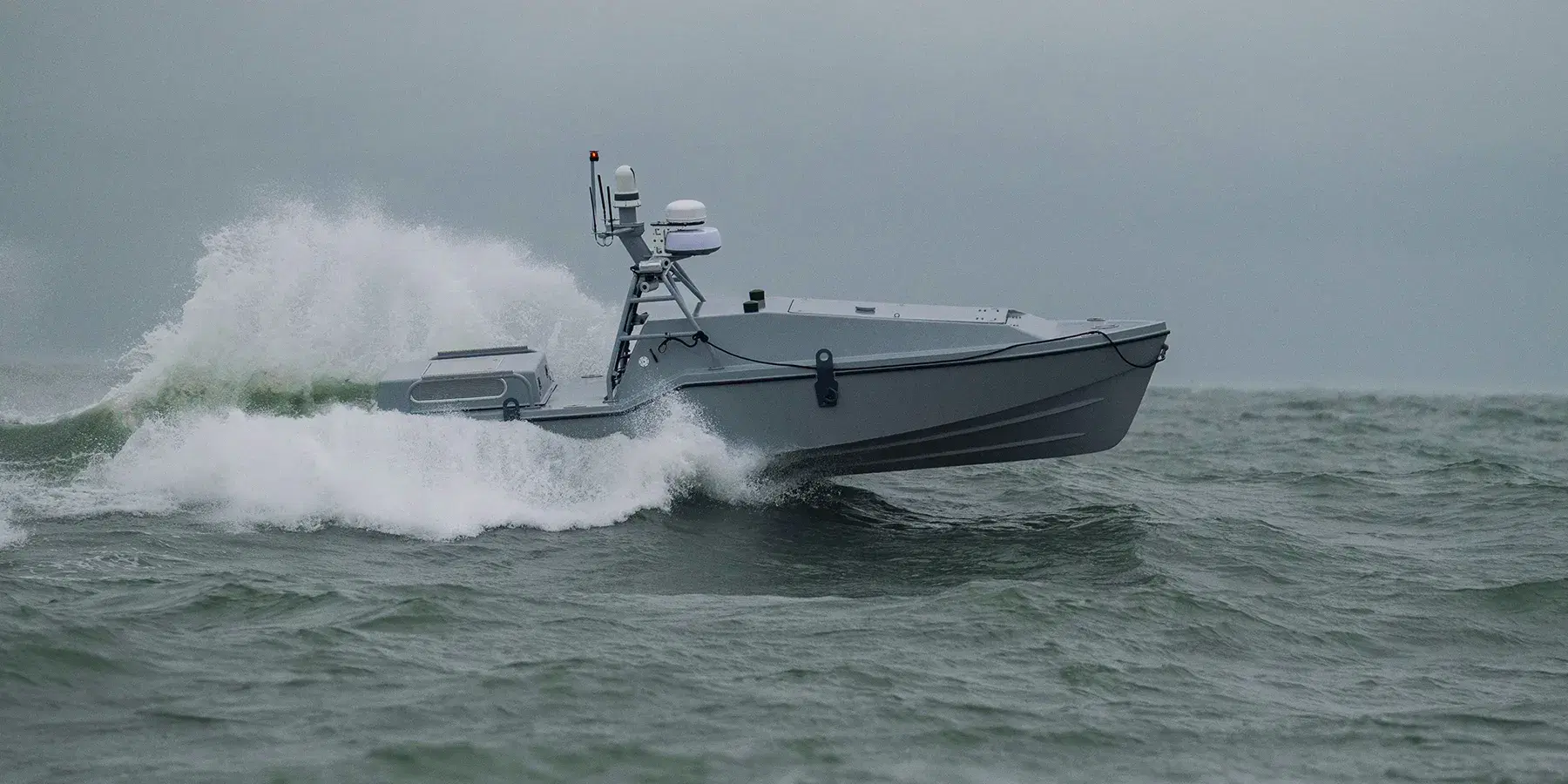
DIU is soliciting USVs equipped with "mature hard-kill Counter-Air effectors and clutter-resilient sensor suites," signaling a push toward armed autonomous maritime systems capable of air defense missions.
The expansion is the result of sharply rising military demand for space capabilities in support of operations across the Middle East, where assets have become increasingly central to theater operations.
The balloons would be used to surveil vast areas of enemy territory, decoy defenses, provide networking and launch drone attacks behind enemy lines.

LinkedIn: B*mb
Mission Cultivate: Bomb
Mission Cultivate is the free, discreet networking platform for Defense and NatSec. Stop censoring yourself and speak freely in the only space made just for you.
See Mission CultivateHeads up: MC is only for verified users in Defense/War & NatSec. Users include gov, industry, academia, vc, and more. Only available to US, NATO, or select major US allies.


